Modern heavy-duty trucks operate under extreme stress, long-distance hauling, and continuous engine vibration. One small but critical component that plays a major role in engine stability is the truck engine automatic tensioner. This article explores how automatic tensioners function, why they are essential in preventing engine belt failure, and how they significantly improve operational efficiency and reduce maintenance costs. It also provides practical maintenance guidance, failure diagnosis methods, and selection tips to help fleet owners, mechanics, and truck operators make informed decisions.
Article Outline
This article is structured to guide readers from basic understanding to advanced technical knowledge:
-
Fundamentals of belt tension systems in truck engines
-
Detailed working principles of automatic tensioners
-
Performance impact on engine reliability and fuel efficiency
-
Comparison with traditional manual systems
-
Failure detection and troubleshooting methods
-
Maintenance strategies for long service life
-
Selection guidance for different truck applications
Introduction: Why Belt Tension Matters in Truck Engines
In heavy-duty truck engines, the belt drive system is responsible for powering critical components such as the alternator, water pump, air conditioning compressor, and power steering pump. If belt tension is not properly maintained, it can lead to slippage, overheating, noise, and even sudden engine failure.
Traditional belt systems relied on manual adjustment, which often resulted in inconsistent tension levels. Over-tension can damage bearings, while under-tension leads to belt slip and reduced efficiency. This is where automatic tensioners become essential in modern truck engineering.
What Is a Truck Engine Automatic Tensioner?
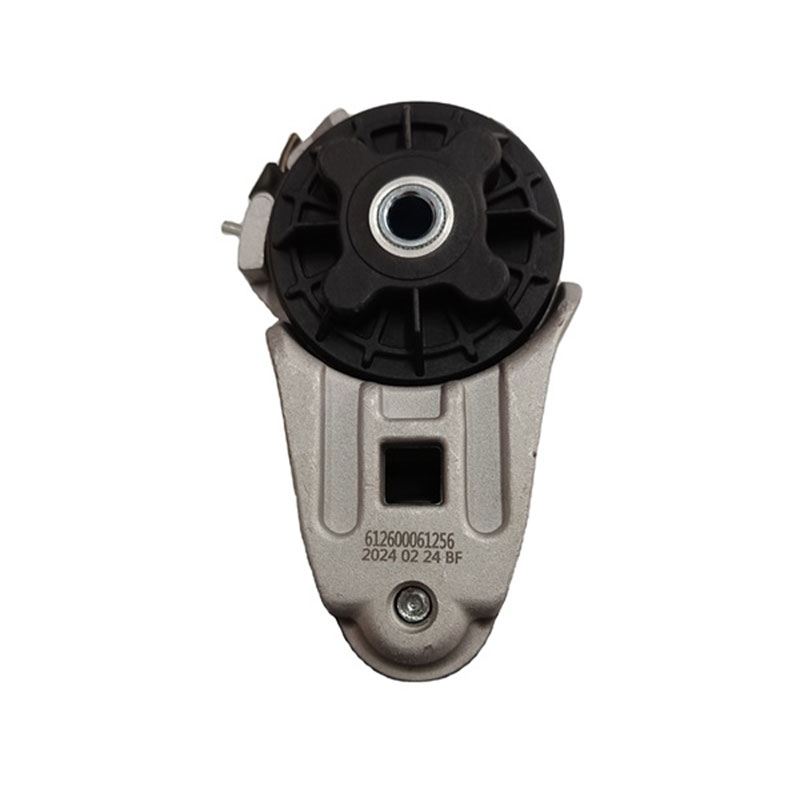
A truck engine automatic tensioner is a mechanical device designed to maintain constant tension on the engine drive belt. It automatically adjusts to changes caused by belt wear, thermal expansion, and engine vibration.
Unlike manual systems, it uses a spring-loaded or hydraulic mechanism to continuously regulate belt tension, ensuring optimal performance under all driving conditions.
-
Maintains consistent belt pressure
-
Reduces operator maintenance workload
-
Improves engine component lifespan
-
Prevents sudden belt failure
How Automatic Tensioners Work in Heavy-Duty Engines
The working principle of an automatic tensioner is based on dynamic force balance. A spring or hydraulic system applies controlled pressure to a pulley arm, which keeps the belt tight at all times.
When the belt stretches or vibrates due to engine load changes, the tensioner adjusts its position automatically to compensate for these variations.
|
Component
|
Function
|
|
Tensioner Arm
|
Applies force to maintain belt alignment
|
|
Spring Mechanism
|
Provides constant tension pressure
|
|
Pulley Wheel
|
Guides and supports belt movement
|
|
Damper System
|
Reduces vibration and oscillation
|
This automatic adjustment ensures stable performance even under high torque conditions typical of long-haul trucking operations.
Why Automatic Tensioners Are Critical for Truck Performance
The importance of automatic tensioners goes far beyond convenience. They directly impact engine reliability, fuel efficiency, and maintenance costs.
-
Improved Reliability: Prevents sudden belt failure during long-distance travel
-
Fuel Efficiency: Reduces energy loss caused by belt slippage
-
Lower Maintenance Costs: Eliminates frequent manual adjustments
-
Extended Component Life: Reduces wear on bearings and pulleys
For commercial fleets, even a small improvement in uptime translates into significant financial savings over time.
Types of Automatic Tensioners Used in Trucks
Different truck engines require different types of tensioners depending on load capacity and design structure.
-
Spring-Loaded Tensioners: Most common, using coil springs for force regulation
-
Hydraulic Tensioners: Use fluid pressure for smoother adjustment
-
Pivot Arm Tensioners: Designed for heavy vibration environments
-
Integrated Multi-Belt Tensioners: Used in modern complex engine systems
Each type has specific advantages depending on vehicle size, engine power output, and operational conditions.
Automatic vs Manual Tensioners Comparison
|
Feature
|
Automatic Tensioner
|
Manual Tensioner
|
|
Tension Stability
|
Constant and self-adjusting
|
Depends on periodic adjustment
|
|
Maintenance Requirement
|
Low
|
High
|
|
Failure Risk
|
Low
|
Moderate to high
|
|
Installation Complexity
|
Moderate
|
Simple
|
|
Long-Term Cost
|
Lower overall
|
Higher due to frequent servicing
|
This comparison clearly shows why automatic systems are now the standard in modern heavy-duty truck engines.
Common Failure Symptoms and Diagnostic Guide
Even high-quality tensioners can wear out over time. Early detection of failure symptoms is essential to avoid engine damage.
-
Squeaking or chirping noise from engine belt area
-
Visible belt misalignment or vibration
-
Cracks or wear marks on the belt surface
-
Overheating of engine components
-
Loss of power steering or charging issues
If any of these symptoms appear, immediate inspection of the tensioner assembly is recommended.
|
Symptom
|
Possible Cause
|
Recommended Action
|
|
Belt squeal
|
Weak spring or worn pulley
|
Replace tensioner
|
|
Belt slip
|
Insufficient tension
|
Inspect alignment system
|
|
Excess vibration
|
Damper failure
|
Replace tensioner assembly
|
Maintenance and Replacement Best Practices
Proper maintenance significantly extends the lifespan of an automatic tensioner and ensures stable engine performance.
-
Inspect belt tension every 10,000–15,000 km
-
Check pulley rotation for smooth movement
-
Replace tensioner every 80,000–120,000 km depending on usage
-
Avoid oil contamination on belt surfaces
-
Use manufacturer-recommended replacement parts
Preventive maintenance is always more cost-effective than emergency repairs.
How to Choose the Right Tensioner for Your Truck
Selecting the correct tensioner requires careful consideration of engine type, workload, and environmental conditions.
-
Engine Compatibility: Ensure correct fit for engine model
-
Load Capacity: Heavy-duty trucks require reinforced designs
-
Material Quality: Prefer high-strength steel or composite materials
-
Operating Environment: Consider heat, dust, and vibration levels
-
Brand Reliability: Choose tested industrial manufacturers
A well-chosen tensioner improves overall fleet reliability and reduces unexpected downtime.
Future Trends in Engine Belt Tension Systems
As truck engines become more advanced, belt tension systems are also evolving toward smarter and more efficient designs.
-
Smart sensor-integrated tensioners for real-time monitoring
-
Adaptive hydraulic systems with electronic control
-
Lightweight composite pulley materials
-
Predictive maintenance integration with fleet software
These innovations aim to reduce downtime and improve operational intelligence in commercial transportation systems.
Frequently Asked Questions (FAQ)
Q1: How long does a truck engine automatic tensioner last?
Typically between 80,000 and 120,000 km depending on operating conditions and maintenance practices.
Q2: What happens if a tensioner fails?
A failed tensioner can cause belt slip, overheating, loss of engine accessories, and potential breakdown.
Q3: Can I drive with a bad tensioner?
It is not recommended, as continued operation may lead to severe engine damage.
Q4: Are automatic tensioners better than manual ones?
Yes, because they maintain consistent tension and reduce maintenance requirements.
Q5: How can I detect early signs of failure?
Listen for unusual noises, check belt alignment, and inspect for vibration or wear marks regularly.
Conclusion and Professional Recommendation
The truck engine automatic tensioner is a small yet essential component that plays a critical role in ensuring engine stability, reducing maintenance costs, and preventing unexpected breakdowns. Its ability to maintain constant belt tension under varying load conditions makes it indispensable in modern heavy-duty transport systems.
For fleet operators and maintenance professionals, investing in high-quality tensioner systems is not just a technical decision but a long-term cost-saving strategy. Proper selection, timely inspection, and preventive maintenance can significantly enhance vehicle uptime and operational efficiency.
For reliable industrial-grade solutions and professional support, Shandong Skyond Import and Export Trading Co., Ltd. provides high-performance truck engine components designed for durability and long service life. If you are looking for stable supply, technical assistance, or customized solutions, feel free to contact us for professional collaboration and product inquiries.


 Sales Manager
 email